
How to Dry Wet Walking Boots & Shoes Properly | Step-by-Step Guide
Keeping your walking boots or shoes dry is essential for comfort, performance, and long-term durability. But even the best waterproof footwear can become waterlogged during persistent rain, river crossings, or muddy trail conditions. If you’ve ever pulled on soggy boots the next morning, you’ll know it’s an experience worth avoiding!
In this post, we’ll cover:
-
The safest and most effective ways to dry walking boots and shoes
-
How to prevent rain from entering the top of your boots
-
How these same drying techniques also work perfectly for rugby and football boots
Why You Should Never Dry Boots With Direct Heat
Walking boots—especially those with glued midsoles, leather uppers, or waterproof membranes like Gore-Tex—do not respond well to high heat.
Avoid:
-
Radiators
-
Open fires
-
Hairdryers
-
Aired airing cupboards set to high heat
These can cause cracking, shrinking, delamination, or membrane damage.
A slow, steady drying process is always best.
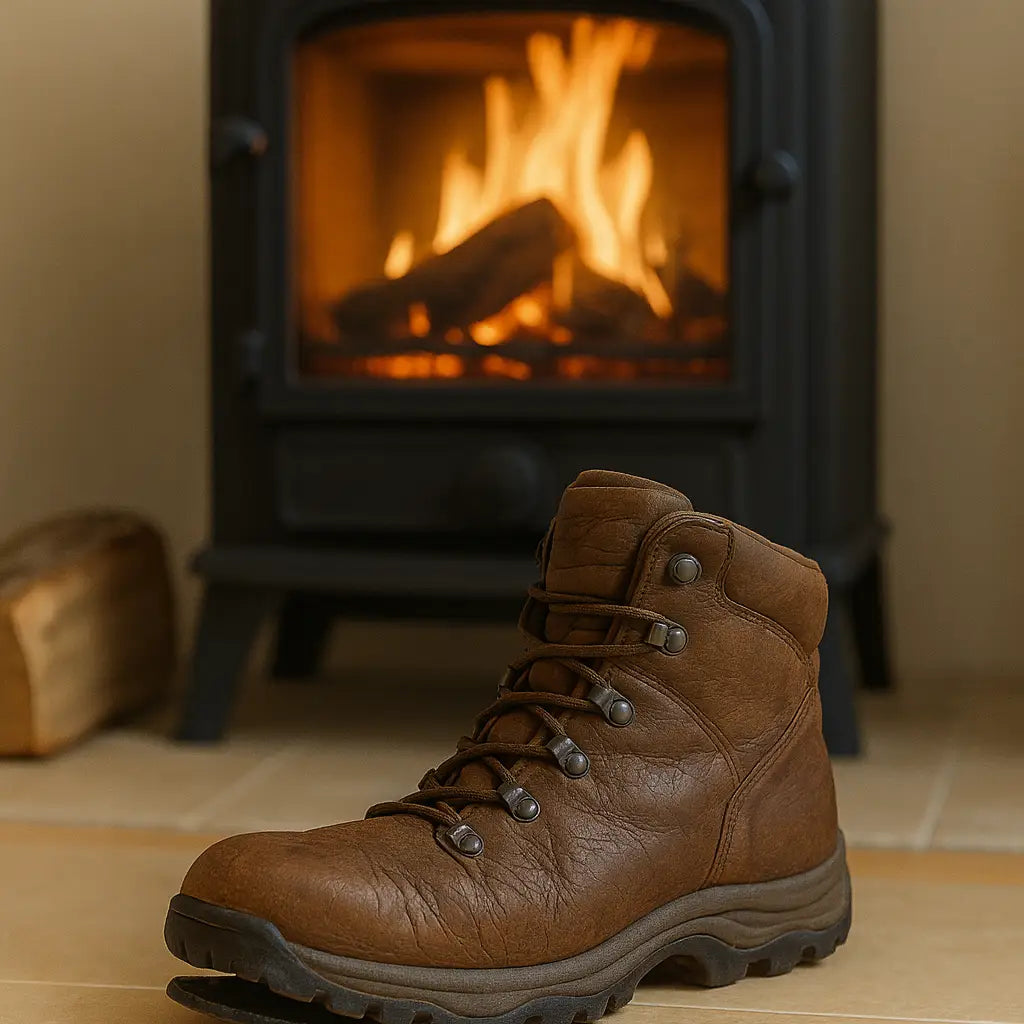
The Best Method to Dry Wet Walking Boots
1. Clean Off Mud and Remove Insoles
Start by rinsing or brushing away mud.
-
Mud retains moisture and slows drying.
-
Removing insoles allows air to circulate fully through the boot interior.
2. Loosen or Remove the Laces
This opens the boot’s throat and speeds evaporation.
3. Shake Out Excess Water
Give your boots a quick shake to remove as much internal water as possible.
4. Pat Dry With a Towel
Absorb surface moisture from the inside and outside.
5. Fill the Boots With Newspaper or a Microfibre Towel
Newspaper is excellent for absorbing moisture. Replace it every few hours until the boot is no longer damp.
Microfibre towels work even faster and can be wrung out and reused.
6. Use Gentle Airflow
Place boots:
-
Near (not on) a radiator
-
In a well-ventilated room
-
Next to a fan
-
In an airing cupboard on the lower, cooler shelves
Air movement accelerates drying without overheating the materials.
7. Consider a Boot Dryer
Electric boot dryers use low, safe heat and airflow. They’re especially useful for winter walkers, hikers, and military personnel.

How to Stop Rain Getting Into the Top of Your Boots
Water often enters not through the waterproof fabric, but via the ankle opening. Here are effective ways to prevent this:
1. Wear Waterproof Gaiters
Gaiters cover the boot opening and part of your lower leg. They’re the most reliable solution in heavy rain, wet grass, bogs, and snow.
2. Ensure Trousers Go Over the Boot, Not Inside
Rain running down trousers will funnel into your boots if the cuffs are tucked in.
3. Tighten Your Lacing Securely
A snug ankle lock (heel lock lacing) can reduce gaping at the top of the boot.
4. Choose Boots With a Higher Collar
Mid-to-high-cut boots naturally reduce water entry compared to low-cut trail shoes.
5. Use Waterproof Over-Trousers
Their elastic cuffs sit over the boot and act as a rain barrier.

How This Drying Method Works for Rugby and Football Boots
Rugby and football boots get soaked from rain, mud, and pitch conditions just as easily as hiking boots—sometimes more so! The same drying principles apply:
Clean First
Remove mud with warm water and a brush. Excess mud traps moisture and damages leather.
Remove Insoles and Laces
Promotes faster drying and prevents odour buildup.
Airflow, Not Heat
Boot dryers, fans, and newspaper stuffing are ideal.
Never dry sports boots directly on radiators—this can warp studs, crack leather, and weaken glue.
Stuff With Newspaper
This is especially effective for narrow, firm-ground boots where moisture gets trapped deep in the toe box.
Optional: Condition Leather Boots
If the boots are leather (more common in rugby than football), apply a suitable leather conditioner once fully dry.

Final Tips
-
Always dry boots slowly and away from direct heat.
-
Invest in good gaiters to prevent water entering walking boots.
-
Use the same gentle drying methods for football and rugby boots to prevent material damage and prolong their life.
Keeping your boots dry doesn’t just improve comfort—it extends their lifespan and ensures they perform at their best on your next adventure.